
Tooth erosion is one of those problems that builds quietly. There are no sharp warning signals in the early stages, and by the time you notice your teeth look worn or feel sensitive, the damage has already been happening for some time.
Good dental care and catching tooth enamel loss early open up a much wider range of treatment options. Understanding tooth erosion treatment options and how erosion affects oral health starts with a proper assessment. If you have noticed changes in how your teeth look or feel, an assessment is the right starting point.
Quick Overview
- Dental erosion happens when acid dissolves the enamel on your teeth, gradually wearing down the tooth surface.
- Common sources of acid include soft drinks, citrus fruits, fruit juices, stomach acid from acid reflux, and certain medications.
- In the early stages, treatment focuses on stopping further damage and strengthening the enamel that remains.
- In more advanced cases, dental bonding, dental crowns, or other restorations may be needed to rebuild the tooth structure.
Below, we cover what causes erosion, how it is treated at each stage, and what you can do to slow it down at home.
What Is Tooth Enamel Erosion?
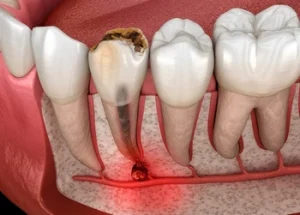 Enamel is the hard outer layer of your teeth. It is the toughest tissue in the human body, but it has one significant weakness: it dissolves when exposed to acid for long enough.
Dental erosion, or tooth erosion, occurs when this acid exposure strips away the enamel surface layer by layer. Unlike tooth decay, which is driven by bacteria, erosion is a purely chemical process. Australian clinical guidance confirms that acid softens and wears enamel before physical forces like chewing wear it away further, and that dry mouth makes the process significantly worse because saliva normally helps neutralise acid and wash it from the tooth surface.
Once enamel is gone, it does not regenerate. What you have is what you protect.
What Causes Dental Erosion?
Acid reaches your teeth from two directions: what you consume and what comes up from your stomach.
Dietary acid sources
Soft drinks, fruit juices, citrus fruits, vinegar-based dressings, and sports drinks are all acidic foods and acidic drinks that carry citric acid or other acidic compounds, lowering the pH of your mouth each time you consume them. The frequency of exposure matters as much as the amount. Sipping an acidic drink slowly over an hour gives the acid far more contact time with your tooth surface than drinking the same amount quickly.
Stomach acid
Acid reflux and conditions like gastroesophageal reflux disease send stomach acid back into the mouth. Stomach acid is far more corrosive than anything in your diet, and repeated exposure from reflux tends to show up first on the back surfaces of the upper front teeth.
Certain medications
Certain medications can also play a role. Certain medications introduce acid directly into the mouth or reduce saliva production, removing the mouth’s natural ability to buffer and neutralise acid between meals. When saliva production drops, the mouth loses its ability to buffer acid and remineralise the tooth surface after an acid challenge.
Signs Your Teeth May Be Eroding
Erosion does not always announce itself clearly, which is part of what makes it worth catching at regular dental check-ups.
Some signs worth noting:
- Teeth that feel sensitive to cold drinks or sweet foods, particularly where sensitivity was not previously present
- Teeth that look more yellow than usual, because the enamel layer has thinned and the darker dentine beneath is starting to show through
- Smooth, rounded or slightly hollowed surfaces on the chewing edges of teeth
- Fillings that seem to have risen slightly above the surrounding tooth surface, because the enamel around them has worn down
Treatment Options for Tooth Erosion
How erosion is treated depends entirely on how much enamel loss has occurred by the time it is assessed.
Early stages: stopping and stabilising
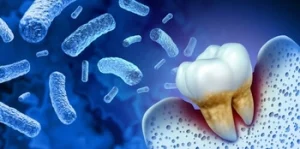 When erosion is caught before significant tooth structure is lost, the priority is halting further damage rather than replacing what has gone. This involves identifying and addressing the source of acid exposure, adjusting diet or managing acid reflux, and strengthening the remaining enamel.
Fluoride toothpaste, fluoride varnishes applied at your dental visit, and fluoride-containing mouth rinses all have a role here. Research confirms that fluoride reduces further enamel loss by promoting remineralisation of the surface layer and making the enamel more resistant to subsequent acid exposure.
Chewing sugar-free gum after meals stimulates saliva flow, which naturally raises the pH in your mouth and helps wash acids away from the tooth surface. A soft-bristled toothbrush and waiting at least 30 minutes after acidic food or drink before brushing also reduce the amount of enamel lost through abrasion while the surface is temporarily softened. These habits also help prevent further decay in teeth already weakened by erosion.
Moderate erosion: dental bonding
When erosion has progressed to the point where the tooth surface is noticeably worn but the damage is not yet severe, tooth bonding, also called dental bonding, is a treatment worth discussing with your dentist. Composite resin is applied directly to the worn areas to rebuild the tooth surface, restore its shape, and reduce sensitivity. It is a relatively conservative approach that preserves the remaining natural tooth structure.
Severe cases: dental crowns and other restorations
In more advanced erosion, where significant portions of the tooth structure have been lost, a dental crown is typically needed. A crown covers the entire visible portion of the tooth, protecting what remains and restoring full chewing function. In some situations, dental veneers are also considered where erosion has primarily affected the visible front surfaces. Clinical guidance confirms that untreated erosion needs complex treatment involving fillings, veneers, or crowns, which is why addressing it in the early stages avoids more involved work later.
What You Can Do at Home
 The habits that make the most difference at home are the ones that reduce how long acid stays in contact with your teeth.
Drinking acidic beverages through a straw directs the liquid past the front teeth and reduces how much of the tooth surface is exposed. Finishing acidic drinks in one sitting rather than sipping them slowly over an extended period also significantly reduces the total acid contact time.
Staying well hydrated throughout the day supports saliva flow. Sugar-free mints or lozenges can stimulate saliva between meals without introducing acid to the tooth surface.
When you brush, apply light pressure only. Vigorous brushing after eating, particularly when the enamel has been temporarily softened by acid, removes more surface material than brushing at full force is intended to do.
When You Should Not Wait
Tooth erosion left untreated does not pause. The damage continues as long as the acid source is still there. If you have noticed any of the symptoms described above, or if erosion has been flagged at a previous appointment and you have not had a follow-up, getting an assessment sooner gives you more to work with.
Concerned About Your Teeth? Let Us Take a Look
Erosion is treatable at every stage, and what is available to you depends on how much enamel remains when it is assessed. Catching it early typically means a more straightforward path forward.
At Riverlands Dental, we assess for erosion during routine check-ups and discuss what is most appropriate based on what we find. To book an assessment, please call us on (02) 4501 7930.
Frequently Asked Questions
Does tooth erosion affect children or just adults?
Tooth erosion can affect anyone at any age, including children. High consumption of soft drinks, fruit juices, and sports drinks makes younger patients particularly vulnerable. Baby teeth have thinner enamel than adult teeth, which means they erode faster when exposed to the same level of acid. Regular dental visits from an early age allow erosion to be identified and addressed before it progresses significantly.
Can tooth whitening make erosion worse?
Teeth whitening products are applied to the enamel surface, and when used on already-eroded teeth, they can increase sensitivity. If you have signs of erosion, it is worth having an assessment before starting any whitening treatment. Your dentist can advise whether whitening is appropriate for your situation and, if so, which approach is least likely to aggravate the tooth surface.
References
https://www.mdpi.com/2076-3417/13/3/1849
https://ada.org.au/research-confirms-sugar-free-beverages-may-erode-tooth-enamel