
Dental implants have become a reliable choice for replacing missing teeth and restoring both function and appearance. For many people, a dental implant can feel and function much like a natural tooth once healing is complete. However, like any surgical procedure, implant placement carries potential risks. One of the most important things to understand is infection.
Recognising early signs of dental implant infection can make a meaningful difference in protecting the implant, surrounding tissues, and long-term oral health. In many situations, prompt care and improved oral hygiene can prevent further complications.
This guide explores the common warning signs, possible causes, and treatment options for dental implant infections.
Understanding What Happens Around a Dental Implant
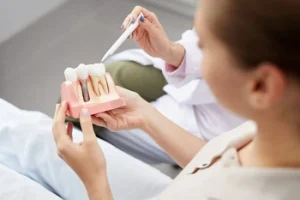 A dental implant is designed to replace the root of a missing tooth. During implant placement, a titanium post is inserted into the jawbone. Over time, the bone structure integrates with the implant surface through a process called osseointegration.
Once healing occurs, the implant supports a dental crown or other restoration. This creates a stable solution for replacing missing teeth and restoring chewing function.
However, the implant site remains surrounded by gum tissue, bone, and soft tissues that must remain healthy. When bacteria accumulate around the implant, an implant infection can develop. If left untreated, this infection may lead to inflammation and bone loss, threatening the stability of the implant.
Why Dental Implant Infections Can Occur
Although dental implant infections are not common, they can occur when bacteria accumulate around the implant surface. These bacteria can irritate the gum tissue and nearby surrounding tissues, and over time, they may begin to affect the bone structure that supports the implant.
Several risk factors may increase the likelihood of infection.
Poor Oral Hygiene
Inadequate oral hygiene is a major contributor to dental implant infections. Plaque and bacteria can build up around the implant in much the same way they collect around natural teeth. Without consistent oral hygiene practices and regular dental check-ups, this bacterial buildup may irritate the soft tissues and trigger inflammation around the implant.
Gum Disease
Patients who already have gum disease may face a higher risk of infection after implant placement. Gum disease can weaken the surrounding tissues and make it easier for bacteria to spread around a dental implant.
Medical Conditions
Certain medical conditions can affect healing and immune response. For example, uncontrolled diabetes may slow the healing process and make it harder for the body to fight infection.
A weakened immune system can also increase vulnerability to bacterial infection around the implant site.
Smoking
Smoking can reduce blood flow to the gum tissue and the surrounding tissues. When blood circulation is limited, the healing process may slow down, which can increase the likelihood of infection after a surgical procedure.
Poor Implant Placement
In rare cases, poor implant placement or improper positioning can create areas where bacteria accumulate. This can make it more difficult to maintain excellent oral hygiene around the implant.
Early Signs That Something May Be Wrong
Identifying early signs of dental implant infection often allows for easier management and better outcomes. Many infections begin with subtle changes in the soft tissues around the implant.
Redness and Swelling Around the Implant
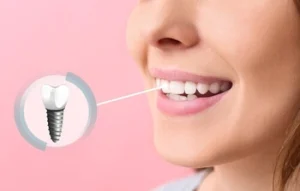 Inflammation around a dental implant is often one of the earliest warning signs. The gum tissue around the implant may appear red, swollen, or irritated.
This stage is often associated with peri-implant mucositis, a condition where inflammation affects the soft tissues around the implant but has not yet caused bone loss.
With early intervention and improved oral hygiene, peri-implant mucositis can often be reversed.
Implant Bleeding During Brushing or Flossing
Implant bleeding when brushing or flossing may indicate irritation or inflammation around the implant site. Healthy gum tissue should not bleed easily.
If bleeding persists, it may signal the beginning of an implant infection or gum disease around the implant.
Persistent Discomfort or Tenderness
Mild soreness is normal during the healing process after implant placement. However, persistent discomfort or tenderness around the implant may indicate an infected dental implant.
Pain may develop when chewing or when pressure is placed on the implant.
An Unpleasant Taste in the Mouth
Some patients notice an unpleasant taste that does not disappear with brushing or rinsing. This may occur if bacteria accumulate around the implant surface and produce infection.
An unpleasant taste can sometimes be accompanied by mild swelling or drainage from the implant site.
When Infection Progresses: Understanding Peri-Implantitis
If early signs are ignored, inflammation may progress into a more serious condition known as peri-implantitis.
Peri-implantitis involves inflammation and bone loss around a dental implant. As the infection spreads, bacteria can damage the bone structure supporting the implant.
Bone Loss Around the Implant
Bone loss is one of the more serious signs associated with peri-implantitis. The bone that supports the implant can gradually break down, reducing the stability of the implant. Over time, the loss of bone structure may increase the risk of implant failure if the infection is not addressed.
Gum Recession Around the Implant
The gum tissue surrounding an infected implant may begin to recede. As the gums pull away, more of the implant surface may become visible.
This can create deeper pockets where bacteria collect, further increasing the risk of infection.
Implant Mobility
A healthy dental implant should remain stable and firmly integrated with the jawbone. If an implant becomes loose, it may indicate significant bone loss around it.
At this stage, prompt evaluation by a dental professional is necessary to determine the most appropriate treatment plan.
How Dental Implant Infections Are Treated
Treatment for an infected dental implant varies depending on how advanced the infection is and how much bone loss has occurred. In many situations, early intervention can help prevent further complications and support the long-term success of the implant.
Professional Cleaning and Improved Oral Hygiene
For early infections such as peri-implant mucositis, professional cleaning around the implant may be recommended. This removes bacteria and plaque from the implant surface.
Patients may also be advised to adopt improved oral hygiene practices at home to control bacterial growth.
Antibiotic Therapy
Antibiotic therapy may be used to treat bacterial infection around the implant. Antibiotics can help reduce infection and support the healing of the surrounding tissues.
This approach is often combined with professional cleaning and improved oral hygiene habits.
Surgical Treatments for Advanced Infection
In more severe cases, surgical intervention may be required to treat implant infections.
Procedures such as flap surgery may allow a dental professional to access the implant surface and remove infected tissue. This process can also help clean the implant and reduce bacterial accumulation.
Bone Grafting in Cases of Bone Loss
If significant bone loss has taken place, a bone grafting procedure may be recommended to help rebuild and support the affected area.
Bone grafting helps rebuild lost bone structure and support the stability of the implant.
In severe cases where the implant cannot be saved, implant removal may be necessary to eliminate infection and protect surrounding tissues.
Preventing Infection and Protecting Implant Health
Preventing infection begins with proper care before and after implant placement. With consistent attention to oral health, many patients maintain implants successfully for many years.
Maintain Excellent Oral Hygiene
Maintaining excellent oral hygiene is essential for protecting the implant site. Regular brushing and flossing help remove plaque and bacteria that can accumulate around the implant.
Proper oral hygiene also protects natural teeth and supports overall oral health.
Attend Regular Dental Checkups
Regular dental check-ups allow a dental professional to monitor the implant and surrounding tissues. Professional cleaning and early detection of problems can reduce the risk of implant failure.
Manage Risk Factors
Managing risk factors such as uncontrolled diabetes and smoking can significantly improve healing and long-term implant success.
Patients may also be encouraged to avoid smoking during the healing process and afterwards.
Follow Post-Surgical Instructions
After implant placement, carefully following the guidance provided by your dental professional helps protect the implant while it heals. This typically includes maintaining good oral hygiene, attending scheduled follow-up visits, and keeping an eye on any unusual symptoms that may develop.
Why Early Attention Matters
Dental implant infection signs should never be ignored. Even minor symptoms may indicate the beginning of a problem that requires professional evaluation.
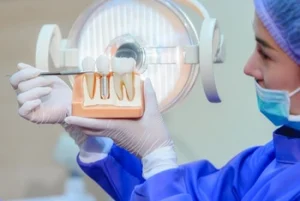 Early intervention allows infections to be treated before significant bone loss occurs. With timely care, many implant infections can be managed successfully without implant removal.
Maintaining proper oral hygiene, attending regular dental check-ups, and addressing risk factors all contribute to optimal oral health and long-term success after replacing missing teeth.
For anyone with a dental implant or considering implant treatment, staying informed about potential complications and recognising early signs can help protect both the implant and the surrounding bone.
According to guidance often referenced by the Australian Dental Association, maintaining excellent oral hygiene and seeking professional care when symptoms appear are key steps in preserving dental implant health and preventing infection from progressing into more serious complications.
If you notice dental implant infection signs, such as swelling, implant bleeding, discomfort around the implant, or an unpleasant taste that does not go away, it is important to seek professional advice. Our team at Riverlands Dental can assess the implant site, identify the cause of the problem, and recommend the most appropriate treatment plan. To speak with our dental professional or arrange an appointment, contact usl at (02) 4501 7930. Early care can help protect your implant and support long-term oral health.
Note: Any surgical or invasive procedure carries risks. Before proceeding, you should seek a second opinion from an appropriately qualified health practitioner.
References
Colgate. (2023, January 9). Signs of a failed dental implant. https://www.colgate.com/en-us/oral-health/implants/signs-of-a-failed-dental-implant
Cleveland Clinic. (2023, April 10). Periodontal disease (gum disease): Causes, symptoms & treatment. https://my.clevelandclinic.org/health/diseases/21482-gum-periodontal-disease
Mayo Clinic. (n.d.). Dental implant surgery. https://www.mayoclinic.org/tests-procedures/dental-implant-surgery/about/pac-20384622
ScienceDirect. (n.d.). Antibiotic therapy. https://www.sciencedirect.com/topics/medicine-and-dentistry/antibiotic-therapy