Home hacks are everywhere on social media, and one of the most persistent trends in teeth whitening promises a brighter smile with nothing more than baking soda. Videos make it look easy: dip a wet brush in the white powder, scrub, rinse, and marvel at whiter teeth. Yet behind those 30-second clips lies a bigger story about baking soda teeth whitening dangers, and why dentists urge caution before you turn your bathroom into a chemistry lab.
Why Baking Soda Seems So Appealing
Baking soda, properly called sodium bicarbonate, is cheap, easy to find and boasts natural whitening properties. The powder’s fine crystals boast a mild abrasive texture that can remove surface stains from coffee, tea or red wine. That abrasive quality explains why manufacturers add it to some whitening toothpastes and soda toothpaste blends. Used in moderation, the compound can reduce plaque, freshen the mouth and leave a pleasantly salty taste.
Because the internet often equates “natural” with “safe”, many people assume using baking soda daily is risk-free. In truth, the very trait that helps remove stains, its abrasive properties, also carries the potential to damage tooth enamel if overused or applied incorrectly.
The Science: How Does Baking Soda Whiten Teeth?
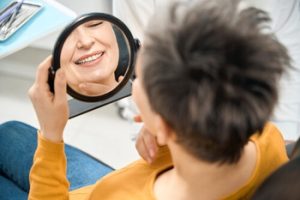 When you whiten teeth with plain soda, you rely on its physical scrubbing action rather than bleaching. Commercial teeth whitening products typically use carbamide peroxide or hydrogen peroxide as active whitening agents. These chemicals break down deep tooth stains chemically, whereas baking soda whitens teeth by polishing away colour in the outermost layer. That is why you often read claims that baking soda is safe for removing surface stains but ineffective on intrinsic discolouration.
Yet even at the surface, every scrub session removes microscopic enamel crystals. Over time, repetitive scouring can thin the protective coat, leaving sensitive teeth, higher tooth sensitivity during hot or cold drinks, and an increased risk of tooth decay or gum disease.
Hidden Risks of Brushing Teeth with Baking Soda
Before you dip your brush in powder, consider these dangers.
- Enamel Erosion
Thin enamel cannot grow back. Each enthusiastic attempt to whiten your teeth with a DIY baking soda paste slowly wears away the armour nature gave your teeth. Once enamel thins, stains reappear faster, creating a cycle of ever-harsher scrubbing. - Uneven Colour
Soda is a mild abrasive, not a uniform bleach. Consequently, people often notice patchy results: whiter ridges where pressure is greatest and darker bands near the gumline where less powder touches. - Exposed Dentine and Pain
As enamel thins, yellowish dentine shines through, ironically making teeth look darker. Exposed dentine also conducts sensation, triggering sharp zings that no amount of whitening toothpaste can soothe. - False Sense of Security
Because soda lacks fluoride, exclusive reliance on a homemade powder instead of regular toothpaste or fluoride toothpaste deprives enamel of mineral reinforcement, undermining efforts at preventing cavities. - Chemical Cocktails Gone Wrong
Many viral hacks mix soda with lemon juice, coconut oil or over-the-counter hydrogen peroxide. Acidic lemon lowers pH, softening enamel right before the abrasive crystals scrape it away. Peroxide at uncontrolled strengths can burn gums, while oil offers no proven whitening benefit.
Safer Ways to Whiten Teeth Without Risking Damage
If you’re keen to whiten your teeth without risking the baking soda teeth-whitening dangers we’ve discussed, there are safer, more effective approaches that prioritise your oral health and preserve your tooth enamel. Here’s how to get a brighter smile without unwanted side effects:
- Lighten Everyday Surface Stains with Fluoride-Based Toothpaste
Swap your DIY baking soda paste for an ADA-approved whitening toothpaste that contains low-dose hydrogen peroxide and fluoride. These whitening toothpastes gently remove surface stains while reinforcing enamel and preventing cavities. Unlike baking soda toothpaste, they’re designed for daily use without the abrasive risks.
- Address Deeper Discolouration with Custom Whitening Trays
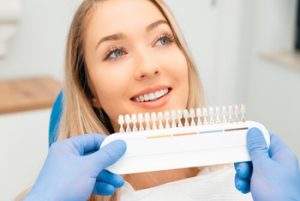
For more noticeable or stubborn tooth stains, speak to your dentist about professional trays that use around 10% carbamide peroxide. These teeth-whitening products allow even coverage and reduce the chance of uneven whitening or increased tooth sensitivity. A tailored approach also lowers the risk of irritating your gums or damaging enamel.
- Need Fast Results? Try In-Chair Whitening
If you’re after quick results, perhaps before a big event, in-clinic whitening with high-strength whitening agents can brighten your smile in just one visit. Your dentist will monitor the process, using protective gels to shield sensitive spots and existing gum disease areas, unlike the uncontrolled use of lemon juice or baking soda for teeth.
- Maintain Long-Term Whitening Through Regular Hygiene Visits
The simplest way to keep a whiter smile over time is to schedule six-monthly dental cleans. These visits remove plaque, polish away minor stains, and help catch small issues before they turn into tooth decay or oral health issues. While using baking soda might seem like a shortcut, professional care supports your overall oral health without the risks tied to abrasive home methods.
- Reinforce at Home with the Right Daily Routine
Stick to fluoride toothpaste, gentle brushing, and flossing to reduce oral bacteria and remove plaque before it hardens. Limit highly pigmented drinks and avoid frequent use of soda for teeth whitening, especially if you already have sensitive teeth. And if you still want to use baking soda occasionally, make sure the sodium bicarbonate is mixed with water in equal parts, never applied dry, and only used sparingly.
By prioritising proven, dentist-approved methods over risky trends like brushing teeth with baking soda or mixing soda with lemon juice, you’ll protect your dental health while still achieving noticeable whitening. The best way to whiten teeth is not always the fastest; it’s the one that preserves your smile in the long run.
If You Still Want to Use Baking Soda
 Some readers will try soda no matter how many warnings appear online. Follow these guidelines to lower the risk:
- Mix equal parts soda and water to make a spreadable paste. Never apply dry crystals.
- Limit sessions to once a fortnight, not daily, to allow the enamel to remineralise.
- Use a soft-bristled brush with gentle pressure. Think of polishing a tomato, not scrubbing a pan.
- Finish with a fluoride toothpaste to replenish minerals and freshen breath.
- Monitor for new roughness or tingling; if tooth sensitivity grows, stop immediately and consult your dentist.
Remember that even “milder” commercial soda toothpaste formulas can over-scrub if you chase a Hollywood sparkle every day. Moderation and professional guidance remain key.
Frequently Asked Questions
Still have questions about soda and whitening? Here are the facts.
Does baking soda whiten teeth better than peroxide strips?
No. Soda mainly buffs the outer layer; peroxide reaches beneath the enamel. For stubborn internal stains, professional peroxide formulas outperform abrasive powders.
Is baking soda safe for sensitive teeth?
Only in very limited use. If you already wince with ice cream, the powder’s grit may worsen irritation.
Can baking soda prevent cavities?
It can remove plaque mechanically and raise PH transiently, but without fluoride, it does little to prevent cavities in the long term.
The Bottom Line for Your Dental Health
 Baking soda whitening hacks can give a temporary whiter smile by removing surface stains, yet the price may be thinner enamel, patchy colour and escalating oral health issues. For sustainable brightness and overall oral health, rely on evidence-based teeth whitening products, balanced nutrition, meticulous brushing and professional care.
If you’re concerned about baking soda teeth whitening dangers or want a whiter smile without compromising your enamel, book a consultation with us at Riverlands Dental or call (02) 4501 7930. Our team can walk you through safe, effective whitening options tailored to your oral health needs.
Resources
WebMD Editorial Contributors. (2024). ‘Baking Soda Dos and Don’ts’. WebMD, 5 March. New York, NY: WebMD LLC.
https://www.webmd.com/a-to-z-guides/baking-soda-do-dont
Osborn, C. O. (2019). ‘Should You Be Worried About Fluoride Toothpaste?’ Healthline, 25 October. San Francisco, CA: Healthline Media.
https://www.healthline.com/health/fluoride-toothpaste
Cleveland Clinic. (2023). ‘Cavities’. Cleveland Clinic, 27 March. Cleveland, OH: Cleveland Clinic.
https://my.clevelandclinic.org/health/diseases/10946-cavities